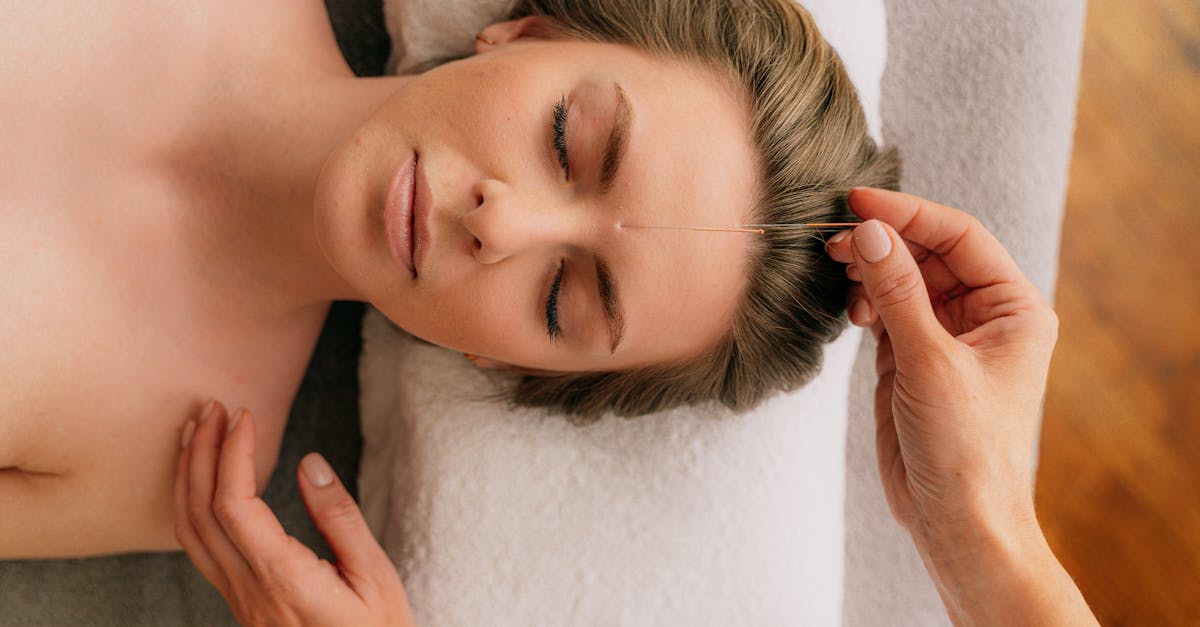
How Dry Needling Can Alleviate Chronic Muscle Pain
Table Of Contents
Differences Between Dry Needling and Acupuncture
Both dry needling and acupuncture involve the insertion of needles into specific points of the body, but their underlying philosophies and applications differ significantly. Dry needling focuses primarily on alleviating muscle pain and dysfunction by targeting trigger points within the muscles. Its basis is rooted in Western medicine and anatomical studies, with practitioners aiming to release tight muscle bands and improve blood flow. In contrast, acupuncture is founded in Traditional Chinese Medicine, where energy flow, or Qi, is considered vital to health. Its practitioners manipulate points along meridians to restore balance in bodily functions.
While the techniques employ similar tools, the methodologies contrast sharply. Dry needling is often performed by physiotherapists or other healthcare providers trained in musculoskeletal issues. This technique emphasises the physical aspect of muscle tightness and its relief, often integrating it with other therapeutic practices. Conversely, acupuncture sessions may involve broader considerations, possibly addressing emotional and dietary factors. Practitioners of acupuncture must adhere to specific training and standards that align more closely with alternative medicine approaches, underscoring the cultural and clinical distinctions between the two practices.
Distinguishing Techniques and Their Purposes
Dry needling and acupuncture, while both utilise needles, serve distinct purposes and are grounded in different philosophies. Dry needling focuses on the treatment of myofascial trigger points in muscles. It is primarily used to relieve pain and improve function by targeting tight knots or areas of tension in muscle tissue. Practitioners insert needles directly into these points, which can help to release tension and promote healing.
In contrast, acupuncture is based on traditional Chinese medicine, which views the body as a system of energy pathways. It aims to balance the body's energy, referred to as "qi," by inserting needles at specific points along these pathways. The focus is often broader, addressing various health issues, including emotional well-being and systemic health rather than solely targeting muscle pain. Understanding these distinctions is key to choosing the appropriate treatment for specific conditions.
Safety and Side Effects
Dry needling is generally considered safe when performed by trained professionals. Practitioners typically follow strict hygiene protocols to minimise the risk of infection. Common side effects may include temporary soreness at the needle site, fatigue, or slight bruising. These reactions are usually mild and resolve within a few hours to a couple of days.
However, it is essential to recognise that some individuals may experience more severe side effects, though these occurrences are rare. In certain cases, patients could have an adverse reaction such as dizziness or increased pain in the area treated. Consulting with a qualified practitioner beforehand can help address individual concerns and ensure a safe approach tailored to specific health needs.
Potential Risks to Be Aware Of
While dry needling is generally considered safe when performed by qualified practitioners, there are potential risks that patients should understand. Minor side effects may include soreness at the needle insertion site, light bruising, or slight bleeding. These reactions tend to resolve quickly, but in rare cases, patients may experience more serious adverse effects like nerve damage or infections, particularly if proper hygiene practices are not followed.
It is crucial for individuals to consult with their healthcare provider before undergoing dry needling, especially if they have certain pre-existing conditions. Patients with blood clotting disorders or those taking anticoagulant medications should approach this therapy with caution. Moreover, individuals who are pregnant or have specific skin conditions may also need to seek alternative treatments, ensuring that their safety and health remain the top priorities.
Who Can Perform Dry Needling?
Practitioners of dry needling come from various healthcare backgrounds, including physiotherapists, chiropractors, and acupuncturists. These professionals undergo specialised training to develop the necessary skills for this technique. Familiarity with anatomy, muscle function, and pain conditions is essential for effective application. Each practitioner may have a different approach, tailoring their techniques based on their assessment of the individual patient’s needs.
In Australia, it is essential for practitioners to comply with local regulations and guidelines. This usually requires completing accredited courses that provide both theoretical knowledge and practical experience in dry needling. Continuous professional development is also encouraged to ensure practitioners stay updated with the latest advancements in treatment techniques and safety protocols. This comprehensive training helps guarantee that patients receive safe and effective care.
Qualifications and Training Requirements
Practitioners of dry needling typically come from various backgrounds within the healthcare field. Commonly, physical therapists, chiropractors, and osteopaths engage in this technique after completing specialised training. These professionals must have a solid understanding of human anatomy and the musculoskeletal system. Postgraduate courses specifically designed for dry needling are widely available, ensuring that practitioners meet the necessary competency standards.
Certification in dry needling varies by region and professional association. In Australia, regulatory bodies and professional organisations set forth guidelines to help maintain safety and efficacy. Practitioners often need to log a certain number of supervised dry needling sessions to gain proficiency. Continuous education is also encouraged to stay updated with evolving techniques and best practices.
FAQS
What is dry needling?
Dry needling is a technique that involves inserting thin needles into trigger points in muscles to alleviate pain and improve muscle function. It is often used to treat chronic muscle pain and tension.
How does dry needling differ from acupuncture?
While both techniques involve the use of needles, dry needling focuses specifically on treating musculoskeletal pain and muscle trigger points, whereas acupuncture is rooted in traditional Chinese medicine and aims to balance the body's energy, or "Qi".
What are the potential side effects of dry needling?
Common side effects may include temporary soreness at the needle insertion sites, bruising, or mild bleeding. Serious complications are rare but can occur, so it's important to discuss any concerns with your practitioner.
Who is qualified to perform dry needling?
Dry needling should only be performed by trained healthcare professionals, such as physiotherapists, chiropractors, or doctors, who have received specific training in the technique.
How many dry needling sessions are typically needed for chronic muscle pain?
The number of sessions required can vary based on individual needs and the severity of the condition, but many patients may benefit from a series of treatments over several weeks. It is best to consult with your practitioner for a personalised treatment plan.
Related Links
Dry Needling: A Comprehensive Guide for First-Time PatientsUnderstanding the Techniques and Benefits of Dry Needling