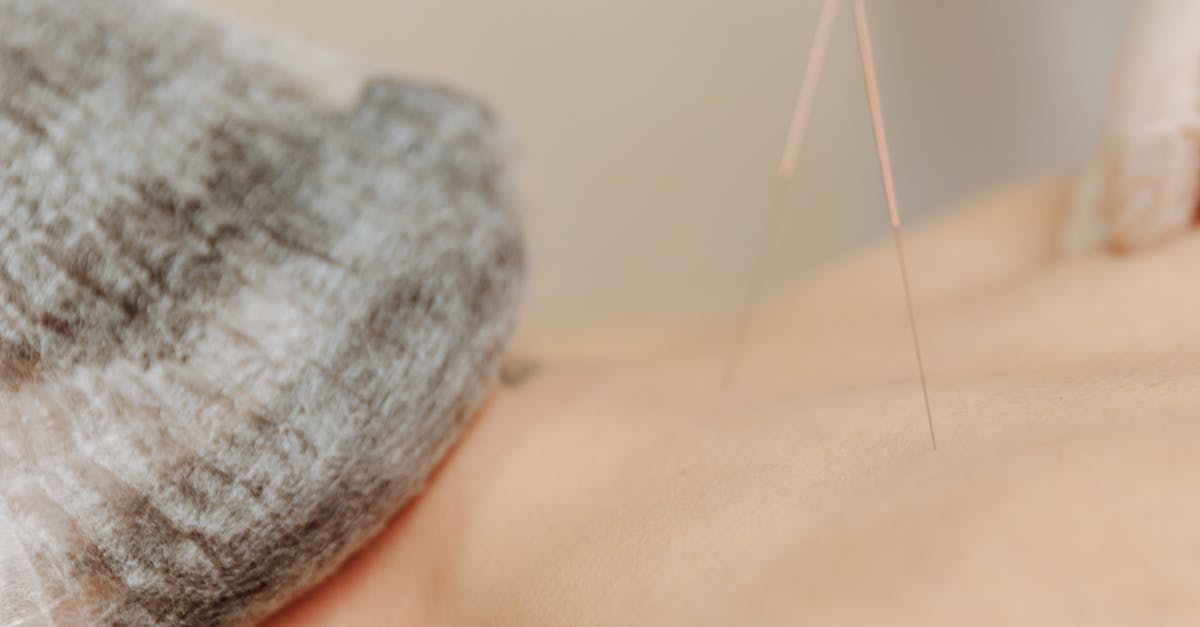
Dry Needling: A Comprehensive Guide for First-Time Patients
Table Of Contents
Safety and Risks Involved
Dry needling is generally considered safe when performed by qualified practitioners. Adherence to proper sanitation and technique standards helps mitigate the risk of complications. Practitioners should have adequate training to identify contraindications, as certain medical conditions may increase risks associated with the treatment. Patients must disclose their complete medical history to ensure their safety and to tailor the approach to their specific needs.
Despite its benefits, some individuals may experience side effects such as temporary soreness, bruising, or bleeding at the insertion sites. These reactions are typically mild and resolve quickly. In rare cases, more severe complications can occur, including infection or pneumothorax if needles are improperly inserted. Being aware of these potential risks allows patients to make informed decisions and engage more actively in their health management.
Potential Side Effects and Precautions
Dry needling is generally regarded as a safe procedure, yet some patients may experience mild side effects. Common reactions include temporary soreness at the needle insertion sites, slight bruising, or minor fatigue after treatment. These effects typically resolve within a few hours to a couple of days. In rare cases, patients may experience dizziness, fainting, or an allergic reaction to the materials used, such as the needle or any topical agents applied beforehand. Discussing any pre-existing health conditions with your practitioner can help identify potential risks.
It is crucial to choose a qualified practitioner experienced in dry needling techniques. They should assess your medical history and answer any questions regarding the procedure. Always inform your therapist about medications you are taking, as this may influence your treatment plan. Taking necessary precautions can significantly reduce the likelihood of adverse effects. Following post-treatment instructions diligently also helps maximise the effectiveness of the therapy while minimising discomfort.
Preparing for Your First Appointment
Before attending your first appointment, it is important to prepare both physically and mentally. Wear comfortable clothing that allows easy access to the areas being treated. This will help the practitioner assess your condition effectively. Take note of any questions you might have regarding the procedure or your specific concerns. You may also find it useful to bring along any relevant medical history or documentation that could inform the practitioner about your health background.
Consider arriving a little earlier to your appointment. Doing so can allow time to fill out any necessary paperwork and enable you to settle in before the session begins. It’s also advisable to hydrate well beforehand. This ensures your muscles are well-prepared and could potentially enhance the overall effectiveness of the treatment. Keeping a positive mindset and open communication with your practitioner will contribute significantly to a more comfortable experience.
Tips for a Successful Experience
Arriving at your appointment feeling relaxed can significantly enhance the effectiveness of dry needling. Try to set aside time prior to the session to engage in calming activities such as deep breathing or gentle stretching. Being in a calm state allows your body to be more receptive to treatment. It may also be helpful to communicate openly with your practitioner about your pain levels and any previous experiences with dry needling. This ensures that the treatment is tailored to your specific needs.
Dressing comfortably can also contribute to a positive experience. Loose-fitting clothing makes it easier for the practitioner to access the treatment areas without discomfort. Consider bringing a water bottle to stay hydrated after treatment. Discussing any concerns or questions with your therapist beforehand will help establish trust and make the experience smoother. After treatment, taking note of how your body responds can provide valuable feedback for future sessions.
Aftercare Recommendations
Following your dry needling session, it is essential to take care of the treated areas to ensure optimal recovery. Rest is important, and patients should avoid strenuous activities or exercises for at least 24 hours. This helps to prevent unnecessary strain on the muscles. Staying hydrated can also aid in flushing out any toxins released during the treatment, promoting faster healing.
Gentle stretching may be beneficial in the days after the appointment, as it encourages mobility and reduces stiffness. Applying ice packs to any areas feeling sore can help manage discomfort. Be mindful of any new symptoms that may arise, as monitoring your body's reaction is crucial. Keeping communication open with your therapist regarding your recovery will help tailor any subsequent treatments to your needs.
How to Maximise the Benefits Post-Treatment
After your dry needling session, it's important to engage in gentle stretches to enhance muscle recovery. This helps increase blood flow to the treated areas and can alleviate any residual soreness. Staying hydrated post-treatment is also crucial. Water aids in flushing out toxins released during the process and supports overall muscle health.
Monitoring your activity levels in the days following treatment can also contribute to your recovery. Avoid strenuous exercise immediately after the appointment, as this may hinder the healing process. Instead, consider incorporating light activities such as walking, which promotes circulation without putting excessive strain on your muscles. Listening to your body during this time will help optimise the benefits gained from your session.
FAQS
What is dry needling, and how does it work?
Dry needling is a therapeutic technique that involves inserting thin, sterile needles into trigger points or tight muscle areas to relieve pain and improve muscle function. It works by stimulating the body's natural healing processes and reducing muscle tension.
Is dry needling safe for everyone?
While dry needling is generally considered safe, it may not be suitable for individuals with certain medical conditions, such as bleeding disorders, infections, or those who are pregnant. It's essential to consult with your healthcare provider before undergoing treatment.
What should I expect during my first dry needling appointment?
During your first appointment, a qualified practitioner will assess your condition and discuss your medical history. You can expect the treatment to involve the insertion of needles into specific areas, which may cause mild discomfort but should not be painful.
How can I prepare for my dry needling session?
To prepare for your session, wear comfortable clothing that allows easy access to the treatment area. It's also advisable to stay hydrated, avoid heavy meals before the appointment, and inform your practitioner of any medications or supplements you are taking.
What aftercare tips should I follow after dry needling?
After your session, it’s recommended to rest and hydrate well. You may experience mild soreness, which can be alleviated with gentle stretching or heat application. Avoid strenuous activities for at least 24 hours and follow any specific aftercare instructions from your practitioner.
Related Links
The Role of Dry Needling in Sports Injury RehabilitationHow Dry Needling Can Alleviate Chronic Muscle Pain