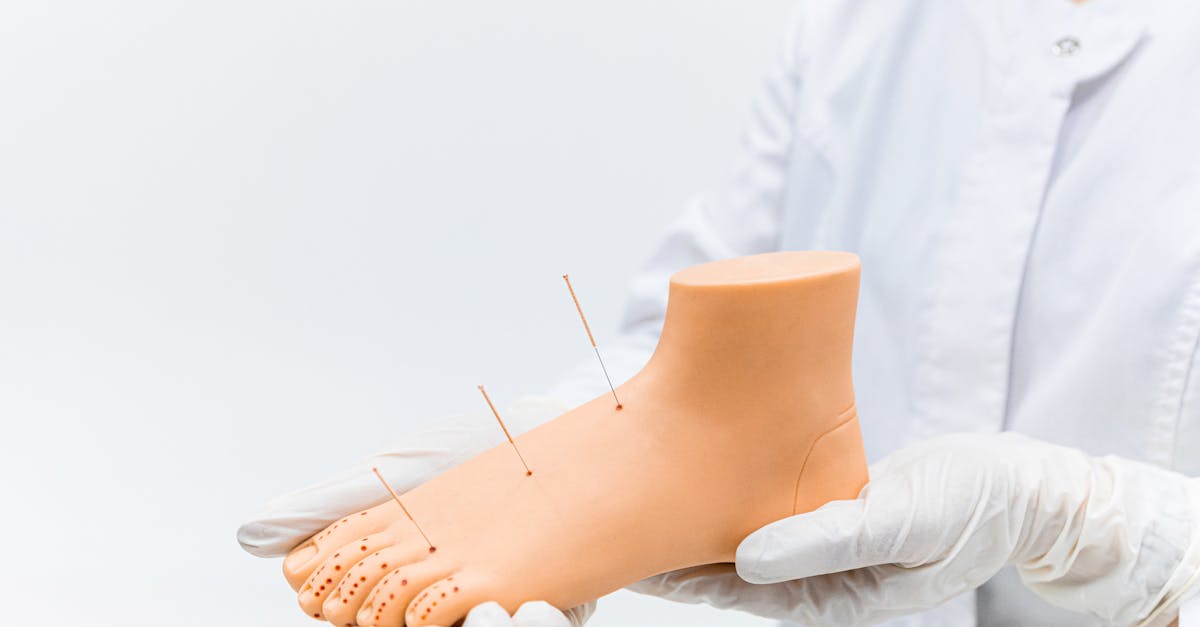
Using Acupuncture to Treat Fibromyalgia Symptoms
Table Of Contents
Finding a Qualified Acupuncturist
When searching for an acupuncturist, it's essential to consider their qualifications and experience. Start by looking for practitioners who are registered with a recognised professional body, such as the Chinese Medicine Board of Australia. Many practitioners also hold a degree in traditional Chinese medicine or a related field. Client testimonials can provide valuable insights into the effectiveness of their treatment, while the practitioner’s history in treating fibromyalgia specifically can indicate their familiarity with the condition.
It's advisable to schedule an initial consultation to discuss treatment options and assess the practitioner’s approach. Pay attention to how they communicate and whether they take the time to answer your questions thoroughly. A good acupuncturist will not only evaluate your symptoms but also consider your overall health and lifestyle. This holistic approach is vital for effective treatment of fibromyalgia symptoms, as it fosters a trusting relationship crucial for a successful therapeutic experience.
Key Qualifications and Considerations
When seeking a qualified acupuncturist for fibromyalgia treatment, it is essential to check their credentials and experience. Look for practitioners who have undergone recognised training in acupuncture and possess relevant certifications. This not only ensures they have the necessary skills but also the understanding of how to manage conditions like fibromyalgia. Additionally, consider whether they have experience treating patients with similar symptoms, as this can greatly influence the effectiveness of the treatment.
Another important aspect to consider is the environment in which the treatment takes place. The clinic should feel welcoming and comfortable, as this can help alleviate anxiety and enhance the overall experience. Open communication with the acupuncturist is crucial; they should be willing to answer any questions regarding their techniques and the expected outcomes. Ensuring that they adopt a holistic approach to your care, incorporating your medical history and overall wellness, can also make a significant difference in treatment success.
What to Expect During an Acupuncture Session
During an acupuncture session, the practitioner will first conduct a thorough assessment of your condition. This may involve discussing your symptoms, medical history, and any specific concerns you may have. The acupuncturist will then determine the best points for needle insertion based on your unique needs. It is common for patients to be asked to lie down comfortably on a treatment table, allowing for relaxation throughout the process.
Once the session begins, the practitioner will insert thin needles into specific points along meridians believed to correspond to various health issues. Many individuals report feeling only a slight prick or a sensation of warmth as the needles are placed. Once the needles are in, you may be left to rest for a period of time, typically around 20 to 30 minutes. Some practitioners may play soothing music or use gentle lighting to enhance the overall experience, creating a calming environment to promote relaxation and healing.
Procedure and Experience
Patients typically begin their acupuncture experience with a thorough consultation. During this initial meeting, the acupuncturist will discuss medical history, symptoms, and specific concerns related to fibromyalgia. This information helps tailor the treatment plan to the individual's unique needs. The practitioner may also take note of the patient's lifestyle factors and overall wellbeing, creating a holistic understanding of their condition.
When the session begins, the environment is usually calm and relaxing, contributing to an overall sense of comfort. Sterilised, fine needles are gently inserted at specific points on the body, aiming to stimulate energy flow. Clients often describe the sensation as a mild tingling or warmth. Each session generally lasts between 30 to 60 minutes, with many patients reporting improved relaxation and reduced pain during and after treatment.
Combining Acupuncture with Other Treatments
Acupuncture can be a valuable component of a more holistic approach to managing fibromyalgia symptoms. Many patients find that integrating acupuncture with other treatments, such as physical therapy, medication, or mindfulness practices, can enhance overall wellbeing. This combination allows for addressing both physical and emotional aspects of fibromyalgia, providing a more comprehensive treatment plan that caters to individual needs.
Incorporating acupuncture into an existing treatment regime may result in improved pain relief and increased energy levels. It complements therapies like massage or chiropractic care, enhancing their benefits through the promotion of relaxation and increased blood flow. Collaboration with healthcare providers ensures a coordinated approach, optimising each treatment’s effectiveness and minimising the risk of adverse interactions.
Integrative Approaches to Fibromyalgia Care
People often find that combining acupuncture with other therapeutic modalities enhances their overall well-being. Integrative approaches may involve physical therapies, lifestyle modifications, and nutritional support. Techniques such as physiotherapy can aid in improving mobility and reducing pain. While dietary adjustments focus on nutrition quality, this together with acupuncture may provide a more comprehensive management plan for fibromyalgia symptoms.
Furthermore, mindfulness practices and cognitive behavioural therapy can complement acupuncture, addressing not just physical symptoms but also emotional aspects of fibromyalgia. Patients have reported improvements in stress management and better coping strategies when engaging in integrative care. By considering a holistic view that encompasses both mind and body, individuals can create a more effective framework for managing their fibromyalgia.
FAQS
What is fibromyalgia and how can acupuncture help?
Fibromyalgia is a chronic condition characterised by widespread musculoskeletal pain, fatigue, and tenderness. Acupuncture may help alleviate symptoms by stimulating specific points on the body, potentially releasing endorphins and improving blood flow, which can reduce pain and enhance overall well-being.
How do I find a qualified acupuncturist for fibromyalgia treatment?
Look for a qualified acupuncturist who holds proper certification and is registered with a recognised professional body. It's also beneficial to seek recommendations from healthcare providers or read reviews from previous patients to ensure you find someone experienced in treating fibromyalgia.
What should I expect during an acupuncture session?
During an acupuncture session, the practitioner will begin by assessing your symptoms and medical history. You will then lie down comfortably while fine needles are inserted into specific points on your body. The session typically lasts between 30 to 60 minutes, and you may feel relaxed or experience a tingling sensation during treatment.
Can I combine acupuncture with other treatments for fibromyalgia?
Yes, many people find that combining acupuncture with other treatments, such as medication, physical therapy, or mindfulness practices, can be beneficial. An integrative approach may help enhance the overall effectiveness of your treatment plan and address various symptoms of fibromyalgia.
Are there any side effects associated with acupuncture?
Acupuncture is generally considered safe when performed by a qualified practitioner. Some individuals may experience minor side effects such as bruising, soreness, or temporary fatigue after a session. It’s important to discuss any concerns with your acupuncturist before starting treatment.
Related Links
The Effectiveness of Acupuncture in Reducing Sciatica DiscomfortAcupuncture for Back Pain Relief: A Comprehensive Guide