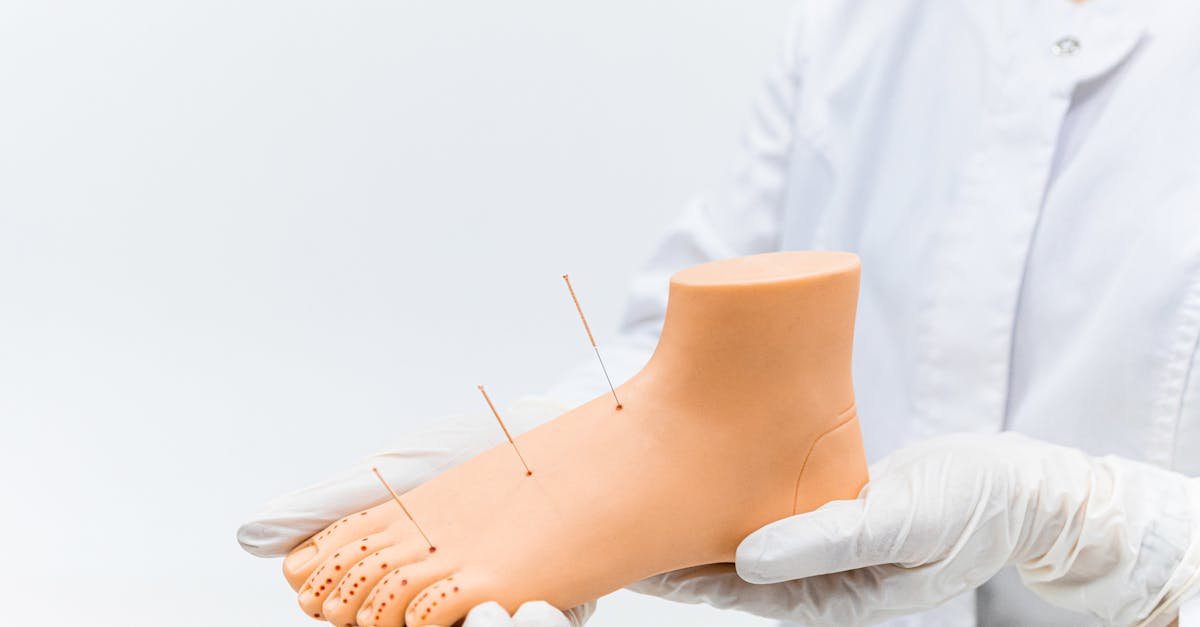
Understanding the Science Behind Cupping Therapy
Table Of Contents
Who Can Benefit from Cupping Therapy?
People from various backgrounds often seek out cupping therapy for its range of potential benefits. Athletes frequently utilise this practice to alleviate muscle soreness and enhance recovery after intense physical exertion. Individuals experiencing chronic pain conditions, such as arthritis or fibromyalgia, may also find relief through the targeted pressure and circulation improvement that cupping offers.
Moreover, cupping therapy can serve as a holistic approach for those looking to manage stress and anxiety. Many clients appreciate its calming effects, which can aid in promoting relaxation and overall mental well-being. Conditions like respiratory issues or digestive disturbances have also been reported to improve with this alternative therapy, making it appealing to a diverse group of individuals seeking complementary health options.
Conditions and Disorders Addressed
Cupping therapy has gained popularity for its potential benefits in managing various conditions. Athletes often turn to this therapy for muscle pain and recovery. It may alleviate migraines and tension headaches. Many people report relief from chronic back pain and neck pain after receiving treatments. Additionally, the technique can be helpful for respiratory issues, including asthma and bronchitis.
This ancient practice is also explored for its role in promoting overall wellness. Some studies suggest cupping may assist in enhancing blood circulation and reducing inflammation. Skin conditions such as acne and eczema have seen positive responses as well. Emotional well-being might improve, with some individuals experiencing reductions in anxiety and stress levels after sessions.
Potential Risks and Side Effects
Cupping therapy, while generally considered safe, can present some risks and side effects. Bruising is one of the most common outcomes, with marks often resembling a giant hickey. These bruises may fade over time but can last for several days. Some individuals might also experience soreness or discomfort in the treated area, particularly if high suction is applied.
In more rare cases, there can be more serious complications such as burns from heated cups or skin infections if proper hygiene practices are not followed. Individuals with certain medical conditions, such as blood disorders or skin sensitivities, are advised to exercise caution or seek medical consultation before undergoing treatment. Understanding these potential risks can help clients make informed choices about their health and wellness options.
Understanding the Safety of Cupping
Cupping therapy, while generally considered safe for most individuals, does carry potential risks that clients should be aware of. Bruising and mild pain at the site of the cups are common and often temporary effects. In some instances, individuals might experience skin infections, burns, or allergic reactions. It is crucial that practitioners adhere to hygiene standards and use properly sterilised equipment to minimise these risks. Consulting with a healthcare professional prior to undergoing treatment can also help ascertain whether cupping is appropriate based on individual health conditions.
The importance of finding a qualified practitioner cannot be overstated. An experienced therapist can provide a thorough assessment and guide clients through the process, ensuring that safety protocols are followed. Enquiring about a practitioner's training and experience can help reassure clients about the treatment's safety. Additionally, maintaining an open line of communication with the therapist during sessions is vital, allowing clients to express any discomfort or concerns that may arise.
How to Prepare for a Cupping Session
Prior to your cupping session, it’s advisable to arrive well hydrated. Drinking plenty of water can help your body to respond more positively to the treatment. Skipping heavy meals right before the session is also recommended. Comfortable clothing should be worn, allowing easy access to the areas being treated without constriction. This ensures not only your comfort during the session but also allows the practitioner to work more effectively.
Being open and communicative with your practitioner is crucial. Discuss any medical history, allergies, or current health issues before the treatment begins. This transparency aids in tailoring the session to your individual needs and ensuring a safe experience. Knowing what to expect can alleviate any anxiety, making the session more pleasant and effective. Arriving relaxed and mentally prepared will further enhance the benefits of the therapy.
Tips for First-Time Clients
Preparing for your first cupping therapy session can enhance the overall experience. Consider arriving a little early to your appointment. This allows you to relax and ask any last-minute questions you may have. Wearing comfortable clothing that allows easy access to the areas being treated is also important. This can make the session more pleasant, as it prevents the therapist from having to navigate tight or restrictive clothing.
Staying well-hydrated before and after the session is advisable. This helps the body flush out toxins released during the treatment. It is also a good idea to avoid heavy meals right before your appointment to prevent discomfort. Keeping an open mind can help you truly engage with the experience, as responses to cupping can vary from person to person.
FAQS
What is cupping therapy?
Cupping therapy is a traditional healing practice that uses suction cups placed on the skin to promote relaxation, improve blood flow, and relieve pain. It is often used in conjunction with other therapeutic methods.
Who can benefit from cupping therapy?
Cupping therapy can benefit a wide range of individuals, particularly those suffering from conditions such as chronic pain, muscle tension, respiratory issues, and stress. However, it is advisable to consult with a healthcare professional before starting treatment.
Are there any risks or side effects associated with cupping therapy?
While cupping therapy is generally considered safe, some potential risks include skin irritation, bruising, and mild discomfort during the procedure. It is important to receive cupping from a qualified practitioner to minimise these risks.
How should I prepare for my first cupping session?
To prepare for your first cupping session, it’s recommended to arrive well-hydrated, wear loose-fitting clothing, and communicate any health concerns or conditions with your practitioner beforehand.
How long does a cupping session typically last?
A typical cupping session usually lasts between 20 to 30 minutes, depending on the individual's needs and the specific treatment being administered. Your practitioner will guide you on the appropriate duration for your session.
Related Links
Cupping Therapy: Techniques and Practices in MelbourneHow Cupping Therapy Can Enhance Your Wellness Routine