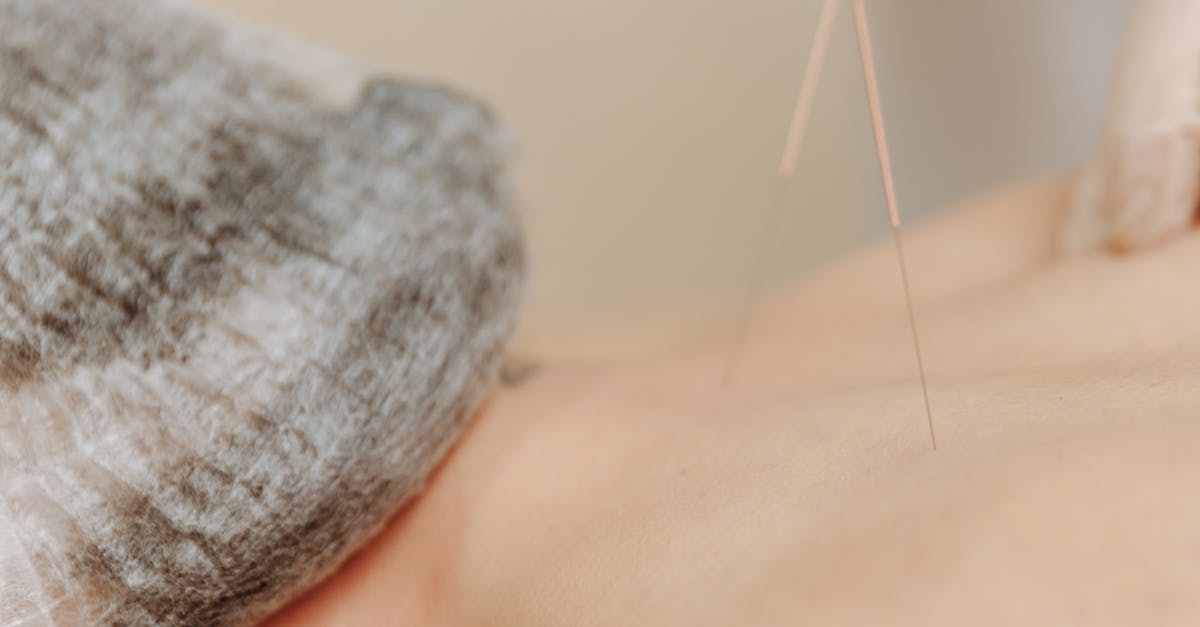
The Science Behind Acupuncture and Its Stress-Relieving Effects
Table Of Contents
Scientific Research on Acupuncture
Acupuncture has long been recognised as a traditional practice, but recent scientific investigation has begun to unravel its underlying mechanisms. Multiple studies have explored how acupuncture may stimulate the nervous system, leading to the release of various neurotransmitters and hormones that can reduce stress and promote relaxation. Research employing neuroimaging techniques demonstrates changes in brain activity patterns associated with the acupuncture experience, particularly in areas linked to pain perception and emotional regulation.
Several key trials have shown positive outcomes for individuals dealing with stress, anxiety and related disorders. In randomised controlled trials, participants receiving acupuncture reported significant reductions in stress levels compared to those receiving sham treatments. These findings are supported by meta-analyses that suggest acupuncture may be an effective adjunct therapy for stress management. Despite the promising evidence, the complexity of human physiology necessitates further research to fully understand how acupuncture interacts with both physical and psychological stressors.
Key Studies and Findings
Research has shown that acupuncture can significantly reduce stress levels in individuals. A meta-analysis published in the Journal of Alternative and Complementary Medicine reviewed numerous studies, indicating that participants experienced marked decreases in anxiety and cortisol levels following acupuncture treatments. The analysis highlighted the importance of specific acupuncture points, noting that stimulation of these areas triggered physiological responses conducive to relaxation.
Another pivotal study conducted at a leading university involved participants undergoing acupuncture sessions for eight weeks. Results demonstrated a lasting reduction in perceived stress and improvements in overall well-being. Researchers found that regular treatments led to enhanced sleep quality and increased feelings of mindfulness. These findings provide valuable insight into how acupuncture can be an effective tool in managing stress and promoting mental health.
Safety and Side Effects of Acupuncture
Acupuncture is generally considered a safe practice when performed by qualified practitioners. Serious side effects are rare, particularly when standard protocols and hygienic practices are followed. Some individuals may experience minor reactions, such as soreness at needle insertion sites, bruising, or light-headedness. These effects are typically transient and resolve quickly. Proper education and training of practitioners help to mitigate the risks associated with this ancient therapy.
While the overall safety profile of acupuncture is favourable, it is essential for individuals to disclose their complete medical history before commencing treatment. Certain conditions or medications may interact adversely with acupuncture techniques. Individuals with bleeding disorders or those who are pregnant should seek advice from healthcare professionals to ensure the procedures are appropriate and safe for their specific health situations. By being informed and cautious, patients can maximise the benefits of acupuncture while minimising potential hazards.
Potential Risks and Precautions
Acupuncture is generally considered safe when performed by a trained practitioner using sterile needles. However, some potential risks are associated with the procedure. These can include minor bruising, fatigue, or soreness at the needle insertion sites. In rare cases, more serious complications, such as an infection or damage to underlying structures, may occur if techniques are not applied correctly. Individuals with certain medical conditions, such as bleeding disorders or those currently taking blood-thinning medications, should approach acupuncture with caution and consult their healthcare provider prior to treatment.
It is also essential for patients to communicate openly with their acupuncturist about their medical history and any existing health issues. Pregnant women should take particular care, as some acupuncture points may stimulate contractions. Additionally, using qualified practitioners who adhere to regulatory standards can greatly reduce the risk of complications. Prospective patients should ensure that the acupuncturist is properly licensed and trained, fostering a safe environment for treatment.
Acupuncture Techniques for Stress Management
Several techniques within acupuncture specifically target stress management. Practitioners often focus on certain acupoints that are believed to correlate with relaxation and emotional balance. Commonly used points, like LI4 (Hegu) and PC6 (Neiguan), are known for their calming effects. The insertion of needles can promote the release of endorphins and other neurotransmitters known to enhance mood, making these practices particularly beneficial for individuals experiencing anxiety or high stress levels.
Different methods can be employed during acupuncture sessions to further assist in stress relief. Manual manipulation of the needles, known as "twirling" or "lifting," can enhance the flow of qi, the body's vital energy. Some practitioners may incorporate moxibustion, which involves the burning of mugwort near acupuncture points, adding warmth and further relaxation. Each technique offers a tailored approach, allowing acupuncturists to cater their methods to the unique needs of their clients, fostering an environment conducive to stress reduction.
Points and Methods for Relief
Acupuncture employs a variety of techniques aimed at alleviating stress and promoting relaxation. Practitioners commonly target specific acupuncture points known to be associated with the body's stress response. For instance, points such as Yintang, located between the eyebrows, and Shenmen, found on the ear, are frequently used to calm the mind. These points, among others, are believed to regulate the flow of energy, or Qi, facilitating a sense of balance and tranquillity.
In addition to traditional needle insertion, acupuncturists may integrate other methods such as acupressure, electro-acupuncture, or moxibustion. Acupressure involves applying pressure to specific points, which can be useful for individuals wary of needles. Electro-acupuncture introduces a mild electrical current to the needles, enhancing the body's response. Moxibustion involves the burning of the herb mugwort near acupuncture points, providing warmth and further promoting relaxation. These diverse techniques allow for a tailored approach to stress management, catering to individual preferences and comfort levels.
FAQS
What is acupuncture?
Acupuncture is a traditional Chinese medicine practice that involves inserting thin needles into specific points on the body to promote healing, balance energy, and relieve various ailments, including stress.
How does acupuncture help with stress relief?
Acupuncture is believed to stimulate the release of endorphins and other neurotransmitters, which can enhance mood, reduce anxiety, and promote relaxation, thereby alleviating stress.
Are there any side effects associated with acupuncture?
While acupuncture is generally considered safe, some individuals may experience mild side effects such as soreness at the needle insertion sites, brief dizziness, or fatigue. Serious side effects are rare when performed by a qualified practitioner.
How many acupuncture sessions are typically needed for stress relief?
The number of sessions needed can vary depending on individual circumstances, but many people find relief after a few sessions, while ongoing treatment may be recommended for chronic stress or anxiety.
Can anyone try acupuncture for stress management?
Most people can safely try acupuncture; however, it is always advisable to consult with a healthcare provider, especially for those with certain medical conditions, pregnant individuals, or those on blood-thinning medications.
Related Links
Acupuncture Points That Target Stress and Tension ReliefReal Stories: Stress Reduction Success Through Acupuncture