Preparing for Your First Cupping Therapy Session
Table Of Contents
What to Expect During the Session
Cupping therapy often begins with a discussion about your health history and specific concerns. This helps the therapist tailor the session to your needs. After this, you may be asked to lie down and relax while the therapist prepares the equipment. Depending on the type of cupping used, whether dry, wet, or fire cupping, the approach varies significantly. The application of cups on the skin can create sensations ranging from mild pressure to a slight pulling, which some find surprisingly soothing.
During the session, the cups are typically left in place for a duration of 10 to 15 minutes. You might feel warmth or a tingling effect as the cups suction onto your skin, which is generally described as a deep tissue massage. It's important to communicate any discomfort to your therapist, who can adjust the cups or their technique accordingly. Many individuals experience a sense of relaxation and rejuvenation as they lie still, allowing their bodies to absorb the benefits of the treatment.
The Cupping Process Explained
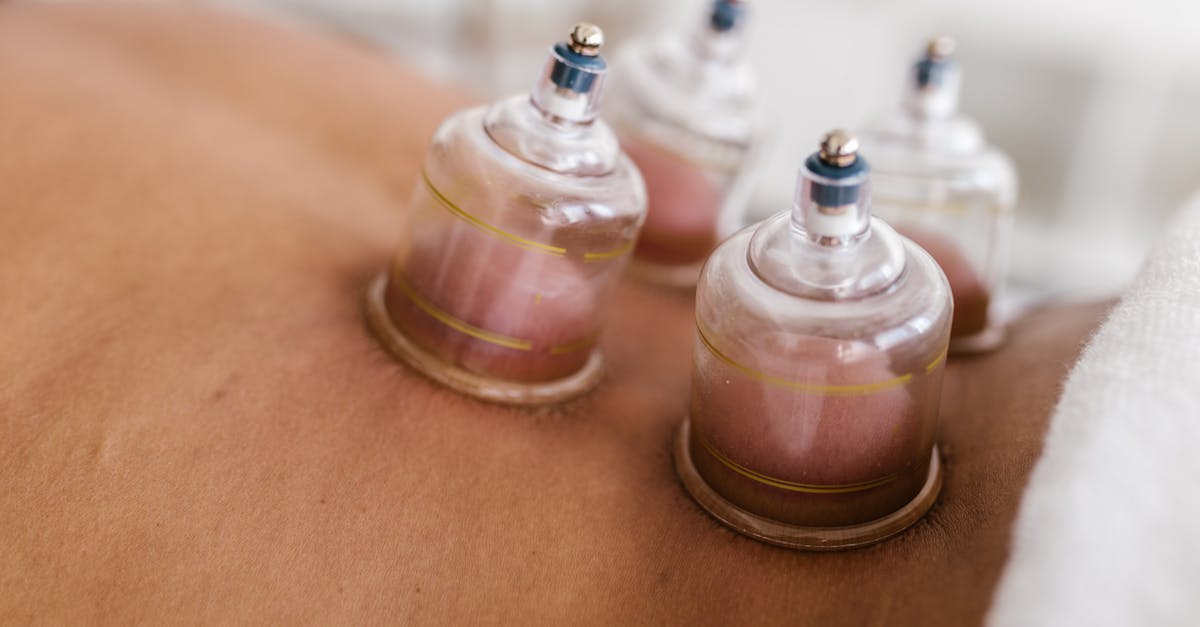
Cupping therapy begins with the selection of specific cups, which may be made from glass, silicone, or bamboo. The practitioner evaluates your needs and chooses the appropriate type and size of cup. Before placing the cups on your skin, the area is often prepared by cleaning and sometimes applying oil for a smoother glide. The cups can be applied either through suction or heat, creating a vacuum effect that draws the skin and underlying tissue into the cup. This method can range from stationary placement to dynamic movement where the cups are gently slid over the skin.
The duration that the cups remain on the skin can vary from 5 to 15 minutes depending on individual tolerance and desired effects. During the session, you may experience pressure sensations, warmth, or mild discomfort, all of which are generally tolerable. After removing the cups, your skin might display temporary redness or markings, which indicate increased circulation in the area. These reactions are normal and typically fade within a few days, showcasing the immediate response of the body to the therapy.
Post-Session Care
Following your cupping therapy session, it is essential to focus on recovery and proper aftercare. Allow your body some time to adjust by resting and staying hydrated. Drinking plenty of water can help flush out toxins released during the cupping process. Avoid strenuous activities for the remainder of the day to give your muscles a chance to recover fully.
You might notice some marks or discoloration on your skin where the cups were placed. These are typically harmless and will fade over time. To support your skin's healing, gently cleanse the area with a mild soap and moisturise lightly. Incorporating light stretching or gentle movement can also aid in the recovery process, promoting circulation and relieving any residual tension.
Tips for Recovery and Aftercare
After your cupping therapy session, it is essential to allow your body time to recover. Hydration plays a vital role in this process. Drink plenty of water to help flush out toxins and support your body's natural healing mechanisms. Avoid strenuous activities for at least 24 hours to give your muscles and tissues time to relax and adapt after the treatment. Your skin may also show some marks from the cups, which are typically harmless and fade within a few days.
In terms of aftercare, pay attention to how your body feels in the days following the session. Light stretching or gentle movement can help alleviate any lingering tension but avoid heavy exercises. Consider using a moisturiser or natural oils to soothe your skin if you experience dryness or irritation. It may also be beneficial to take some time for relaxation or meditation, allowing your body and mind to fully integrate the benefits of the therapy.
Common Myths About Cupping
Many people associate cupping therapy with pain and discomfort, believing that the procedure is inherently invasive. In reality, when performed by a trained professional, cupping is generally a comfortable experience. The sensation of suction can be unusual, but it should not be painful. Most clients report a feeling of relaxation during the session, as the cups help to stimulate blood flow and alleviate muscle tension.
Another widespread myth is that cupping therapy is only beneficial for athletes or those with specific injuries. While it is true that athletes utilise this technique for recovery, cupping offers advantages that extend to a broader audience. Individuals suffering from stress, anxiety, and even chronic pain conditions can benefit from this therapy. The practice promotes overall wellness and can enhance the body’s natural healing processes, making it suitable for anyone seeking to improve their general health.
Debunking Misconceptions
Many people associate cupping therapy solely with claims of painful experiences and bruising. While it is true that the therapy can leave marks on the skin resembling bruises, these are not indicative of damage. They are often a sign of stagnant blood and toxins being released from the area, a natural part of the healing process. The sensation during cupping varies amongst individuals; for most, it is a gentle pulling feeling rather than an outright pain.
Another common misconception is that cupping therapy is an entirely new trend, but it has roots in ancient traditions spanning thousands of years. Various cultures, including Chinese, Middle Eastern, and Greek, have utilised cupping for a multitude of ailments. This historical significance highlights its longevity and the continued interest in its potential benefits, despite modern scepticism. Many practitioners aim to provide not just physical relief but also to promote a sense of well-being and relaxation through this method.
FAQS
What is cupping therapy?
Cupping therapy is a traditional healing practice that involves placing cups on the skin to create suction, which can help with pain relief, inflammation, and relaxation.
Is cupping therapy painful?
Most people find cupping therapy to be a gentle and relaxing experience. You may feel a slight pulling sensation, but it shouldn't be painful. If you experience discomfort, communicate with your therapist.
How long does a cupping session typically last?
A typical cupping session lasts between 30 to 60 minutes, depending on your individual needs and the treatment plan set by your therapist.
Can anyone receive cupping therapy?
While cupping therapy is safe for many people, it may not be suitable for those with certain medical conditions, such as skin infections or blood disorders. It's best to consult with a healthcare professional before starting treatment.
How should I prepare for my first cupping session?
To prepare for your first cupping session, ensure you are well-hydrated, avoid heavy meals beforehand, and discuss any health concerns or questions with your therapist to tailor the session to your needs.
Related Links
Debunking Myths About Cupping Therapy in MelbourneThe Benefits of Cupping Therapy for Athletic Performance