Exploring Safety and Hygiene Practices with Your Acupuncturist
Table Of Contents
The Use of Protective Equipment
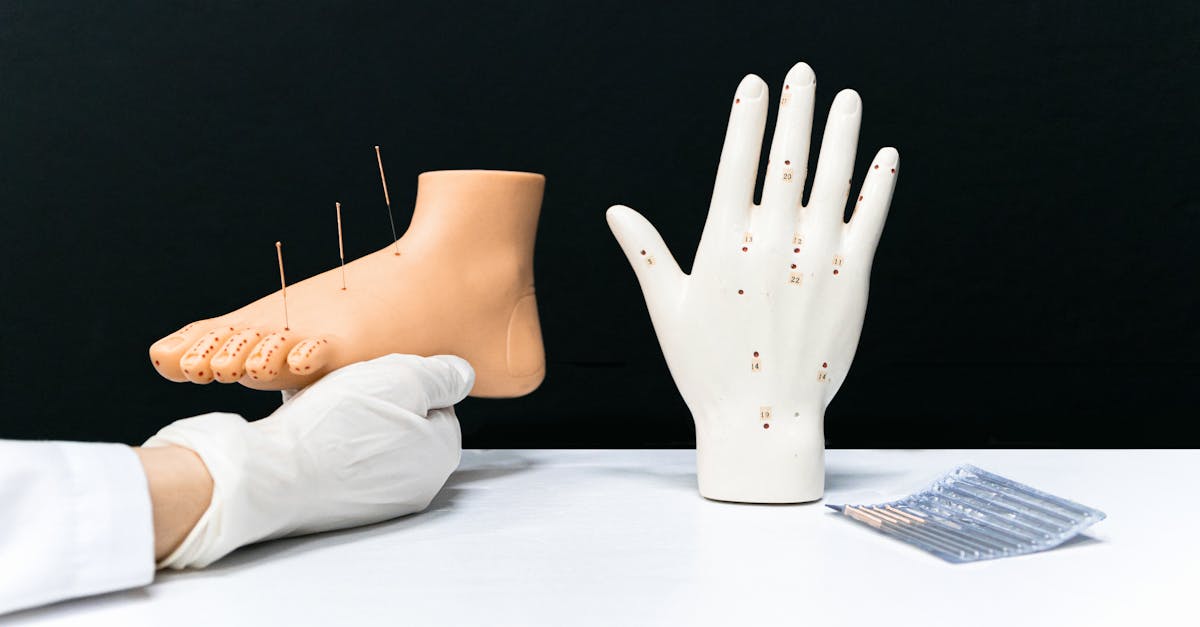
Protective equipment plays a crucial role in ensuring the safety and hygiene of both patients and practitioners during acupuncture sessions. Practitioners commonly wear gloves to prevent contamination while handling needles and other instruments. This practice not only protects patients from potential infections but also safeguards acupuncturists against exposure to bodily fluids. Masks are often used as an additional layer of protection, particularly in situations where respiratory droplets might pose a risk.
The consistent use of these items reflects a commitment to maintaining a hygienic environment. It is essential for patients to observe whether their acupuncturist adheres to these safety measures. This attention to protective equipment can enhance the overall experience and instill confidence in the treatment process. Awareness of such practices can contribute to a more secure atmosphere, fostering a sense of trust between the practitioner and the patient.
Understanding Gloves and Masks in Acupuncture
In acupuncture practices, the use of gloves and masks plays a crucial role in maintaining safety and hygiene. Practitioners typically wear disposable gloves to ensure a barrier between themselves and the patient, minimising the risk of cross-contamination. This is particularly important when dealing with blood or bodily fluids, where the potential for infection increases. By using gloves, acupuncturists can provide a cleaner and safer environment, which contributes to the overall effectiveness of the treatment.
Masks are equally important in the acupuncture setting, especially in light of recent global health concerns. Wearing a mask protects both the practitioner and the patient from airborne pathogens, thus reducing the likelihood of illness transmission. Additionally, masks can help to maintain a more sanitary treatment space by minimising the dispersal of respiratory droplets. By adhering to these protective measures, acupuncturists ensure that their practice prioritises client safety while promoting an atmosphere of trust and professionalism.
Post-Treatment Hygiene Recommendations
After your acupuncture session, maintaining optimal hygiene is crucial for your well-being. It is advisable to refrain from strenuous activities right after treatment. Allow your body time to relax and recuperate. Hydration plays a significant role in aiding recovery, so be sure to drink plenty of water. Staying hydrated can help flush out toxins released during the acupuncture process.
Additionally, consider avoiding heavy meals or alcohol immediately following your appointment. These substances can hinder the body's ability to absorb the benefits of treatment. It's also wise to keep the treated areas clean and free from excessive exposure to dirt and germs. By following these recommendations, you can enhance your overall experience and boost the effectiveness of your acupuncture treatment.
Best Practices for Aftercare
After acupuncture sessions, clients are often encouraged to prioritise rest and hydration. Drinking plenty of water helps flush out any toxins released during the treatment. It is also advisable to avoid strenuous activities for at least 24 hours, allowing the body to adapt and reap the maximum benefits from the session. Clients may experience varying reactions, such as slight soreness or fatigue, which typically resolve quickly.
In addition to physical rest, emotional well-being plays an essential role in aftercare. Practitioners may recommend mindfulness or gentle stretching exercises to enhance relaxation. Maintaining a balanced diet rich in nutrients can further support recovery. Clients should listen to their bodies and reach out to their acupuncturist with any concerns or unusual symptoms following treatment to ensure a supportive healing process.
Evaluating the Acupuncture Environment
When visiting an acupuncture clinic, it is essential to assess the surroundings for cleanliness and order. A well-maintained environment reflects the practitioner's commitment to hygiene and safety. Look for clean treatment areas, properly sterilised equipment, and a general sense of organisation. Visible dust, clutter, or poor sanitation practices can raise concerns about the care provided.
Another critical aspect is the practitioner’s adherence to best practice guidelines. Observe how the acupuncturist interacts with clients and whether they follow safety protocols around patient care. This includes the use of gloves and masks during treatments as well as their approach to managing linens and disposal of needles. An environment that prioritises patient safety cultivates trust and enhances the overall treatment experience.
Signs of a Safe Clinical Setting
A safe clinical setting should exhibit cleanliness and organisation. Equipment and treatment areas must appear tidy and free from clutter. Sterilised instruments should be stored in designated, labelled containers. The use of disposable items, such as needles and gloves, can be a reassuring indicator of hygiene practices. It is crucial that practitioners regularly clean and disinfect surfaces between patients to prevent contamination and maintain a sanitary environment.
Additionally, practitioners must communicate transparently about their safety protocols. Open dialogue regarding the use of protective equipment and sanitation procedures fosters trust. A well-maintained clinic can also reflect the practitioner's commitment to their patients' health and wellbeing. The presence of clear signage regarding hygiene measures and patient information can further enhance the perception of safety within the space.
FAQS
What protective equipment should I expect my acupuncturist to use during my treatment?
Your acupuncturist should use gloves and masks as part of their protective equipment to ensure a hygienic and safe treatment environment.
How important are hygiene practices in acupuncture?
Hygiene practices are crucial in acupuncture to prevent infections and ensure the safety of both the practitioner and the patient. Proper sanitation protocols should always be followed.
What should I do for aftercare following my acupuncture treatment?
Aftercare recommendations may include staying hydrated, avoiding strenuous activities for a few hours, and following any specific advice your acupuncturist provides.
How can I assess if the acupuncture clinic is safe and hygienic?
Look for signs of cleanliness, such as well-maintained facilities, visible sanitisation practices, and the use of disposable equipment. Don’t hesitate to ask the practitioner about their safety protocols.
Are there any specific signs I should look for that indicate a safe clinical setting?
Signs of a safe clinical setting include the use of new, sterile needles, the presence of hand sanitiser, a tidy environment, and the practitioner’s adherence to hygiene standards.
Related Links
Understanding Personalised Treatment Plans: Essential Questions for PatientsFinancial Transparency: What to Ask About Costs and Insurance