Dry Needling Techniques for Trigger Point Release Explained
Table Of Contents
Safety Considerations
When undertaking dry needling, the practitioner's qualifications and experience play a crucial role in ensuring safety. Licensed professionals with appropriate training should carry out the procedure to minimise risks. It's essential for patients to discuss their health history comprehensively. This includes disclosing any underlying medical conditions, medications, or allergies that could impact their treatment.
Infection control measures are vital during the procedure. Practitioners must use sterilised needles and maintain a clean environment. Patients should be informed of potential side effects, such as soreness or bruising at the needle site. Understanding these elements aids in fostering a safe and effective experience, allowing for informed consent before commencing treatment.
Risks and Contraindications
Understanding potential risks is essential before undergoing dry needling. Bruising, soreness, or minor bleeding at the insertion site can occur following treatment. In some cases, individuals may experience temporary exacerbation of pain or discomfort as the muscle responds to the intervention. Although rare, there are instances of more severe complications, such as infection or nerve damage. Consulting with a qualified practitioner can help mitigate these risks.
Certain health conditions may contraindicate dry needling procedures. Individuals with bleeding disorders or those taking anticoagulant medications should avoid this treatment due to increased bleeding risk. Pregnant women are generally advised against undergoing dry needling, especially in the abdominal and pelvic regions. It is crucial to inform the practitioner of any existing medical conditions or concerns prior to treatment to ensure safety and suitability.
Treatment Session Overview
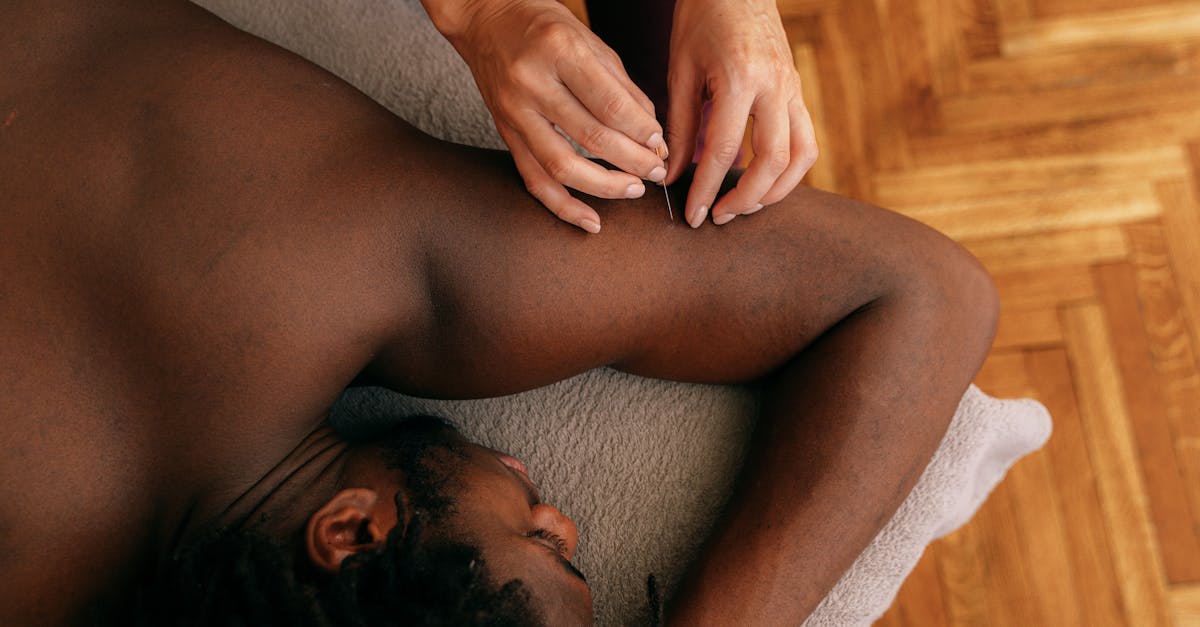
During a dry needling session, practitioners typically begin with an assessment of the patient's condition and any specific discomforts. This initial evaluation helps in identifying the exact trigger points that require treatment. Once the areas are pinpointed, sterile, thin needles are carefully inserted into the muscle tissue. The practitioner may manipulate the needles to elicit a response from the muscle, often resulting in twitching or relaxation of the tissue surrounding the trigger point.
The duration of the session can vary, usually lasting between 30 to 60 minutes. Patients often report a mix of sensations, ranging from a slight pinch to deep muscle pressure. It is essential for practitioners to maintain open communication throughout the session, allowing patients to voice any discomfort or concerns. After the treatment, the practitioner may provide advice on post-treatment care to enhance recovery and maximise the benefits of the session.
What to Expect During Your Appointment
Upon arrival, you will undergo a thorough assessment by your practitioner. This assessment typically includes a discussion of your medical history and the specific areas of pain or discomfort. The practitioner may perform a physical examination to identify trigger points. Understanding your condition will help tailor the treatment approach to best suit your needs.
During the session, the practitioner will use sterile needles to target the identified trigger points. You may experience a brief sensation when the needle is inserted, often described as a dull ache or a twitch in the muscle. The entire process usually takes around 30 to 60 minutes. Your comfort is a priority, and the practitioner will adjust techniques as necessary to ensure a positive experience.
Post-Treatment Care
After a dry needling session, focusing on recovery is essential for optimal results. Clients should hydrate adequately to help flush out toxins released during treatment. Gentle stretching can also promote flexibility in the affected muscles. It is advisable to apply heat to the area to ease tension and discomfort. While some soreness may persist, it typically resolves within a few days.
Monitoring symptoms post-treatment is important. Clients should avoid intense physical activities or heavy lifting for at least 24 hours. If any unusual reactions occur, such as prolonged pain or swelling, consulting a healthcare professional is recommended. Keeping track of how the body responds can aid practitioners in adjusting future treatment plans for better outcomes.
Tips for Optimal Recovery
After a dry needling session, proper care is essential for promoting healing and minimising discomfort. It is advisable to stay well-hydrated. Water aids in the recovery process and helps flush out any toxins released during treatment. Gentle stretching of the affected muscles can also facilitate tension release. Avoiding high-intensity workouts for a couple of days allows the body time to recover without additional strain.
Monitoring for any unusual symptoms is equally important. While mild soreness is common, sudden or severe pain could indicate an adverse reaction. In such cases, seeking advice from your healthcare provider is recommended. Incorporating rest into your routine enables your body to heal more effectively. Additionally, keeping a record of how your body responds post-treatment can provide valuable information for future sessions.
FAQS
What is dry needling?
Dry needling is a therapeutic technique that involves inserting thin needles into specific trigger points in the muscle tissue to relieve pain and improve physical function.
Are there any risks associated with dry needling?
Yes, like any medical treatment, dry needling carries some risks, including soreness at the needle insertion site, bruising, and in rare cases, nerve injury or infection. It's essential to discuss these risks with your practitioner.
How long does a dry needling session usually last?
A typical dry needling session lasts between 30 to 60 minutes, depending on the number of trigger points being treated and the individual's specific needs.
What should I do to prepare for my dry needling appointment?
It’s advisable to arrive wearing comfortable clothing that allows easy access to the areas being treated. Additionally, inform your practitioner about any medications, medical conditions, or previous treatments.
How can I enhance my recovery after a dry needling treatment?
To optimise recovery, it’s recommended to stay hydrated, rest the treated area, apply ice if necessary, and follow any specific post-treatment care instructions provided by your therapist.
Related Links
Common Misconceptions About Dry Needling DebunkedSafety and Efficacy of Dry Needling: What the Research Indicates